Back.
Press Release
The Global Center of Excellence Model
April 14, 2026
Exporting Industrial Readiness to Allied Nations
Published by Veptos.com April 2026
ABSTRACT
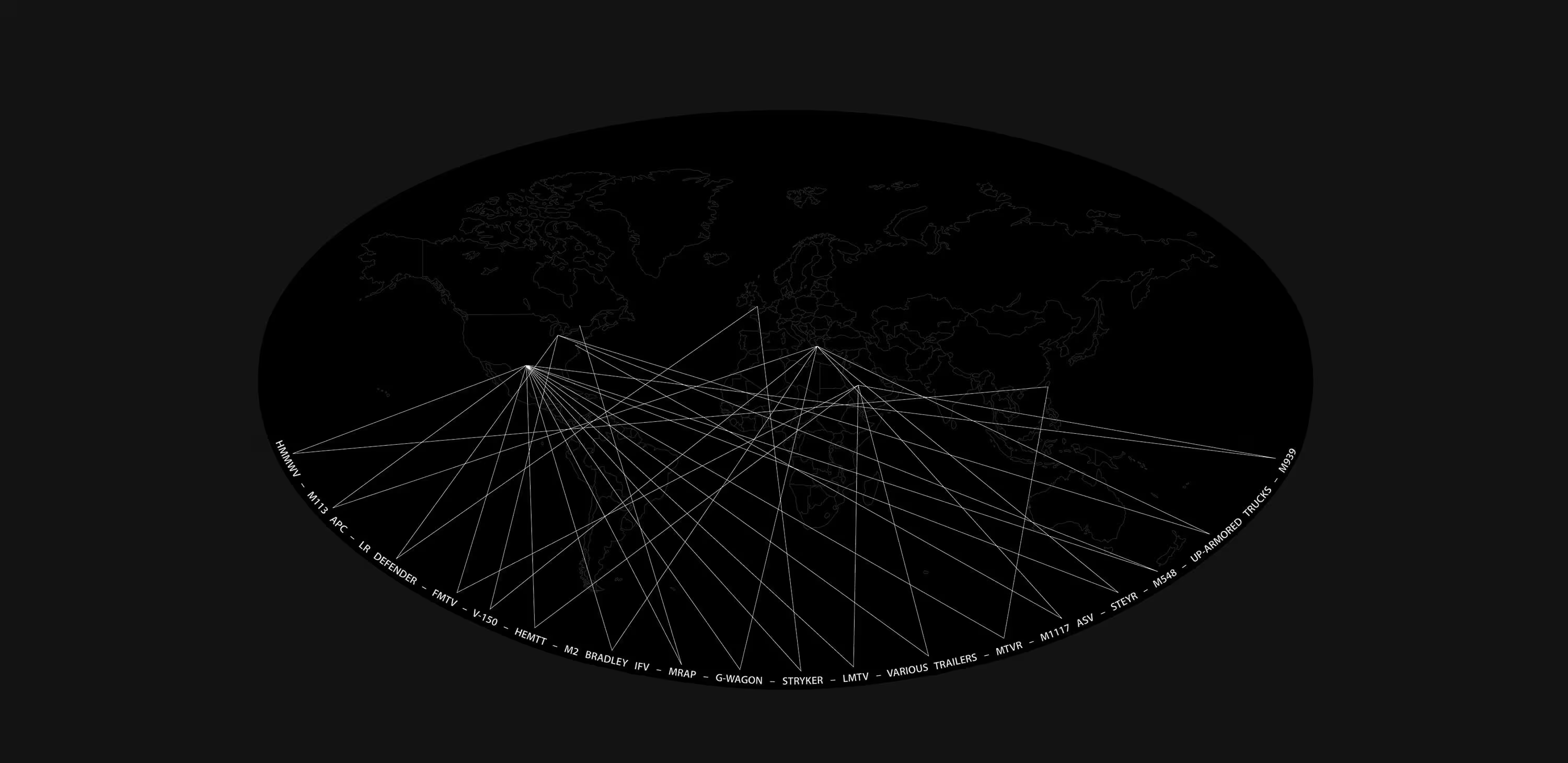
The most durable form of security assistance is not equipment delivery, it is capability transfer. Nations that learn to sustain, refurbish, and modernize their own vehicle fleets become structurally more ready over time, regardless of external support levels. Veptos proposes a Global Center of Excellence model: regionally distributed manufacturing and sustainment facilities, built on the production disciplines developed at New Boston, Texas, staffed with U.S. military and depot talent, and operated as permanent hubs for allied vehicle readiness across wheeled, tracked, and aviation-support platforms.
Equipment without sustainment is a temporary solution. Sustainment capability is a permanent one. The Center of Excellence model is how Veptos delivers the latter.
I. The Limitation of Equipment-Only Assistance
Security assistance programs that deliver equipment without transferring sustainment capability create temporary readiness that decays over time. Vehicles delivered without accompanying maintenance infrastructure, trained technicians, and repeatable service processes will eventually become the next generation of deadlined assets, requiring a new cycle of external assistance to restore. This cycle is familiar to defense assistance practitioners. It is also avoidable.
II. The Center of Excellence Model
A Veptos Center of Excellence is a purpose-built manufacturing and sustainment facility, located in a partner nation, operated to the same production standards as the New Boston, Texas flagship facility. Each Center of Excellence is designed to:
- Recapitalize Regional Fleet Inventory: Perform full recapitalization of legacy vehicle platforms to Veptos Fleet Tactimod® standards, restoring vehicles to mission-ready condition from any state of degradation.
- Execute Continuous Sustainment: Maintain vehicles in operational condition through scheduled preventive maintenance, system inspections, and component replacement programs, preventing degradation rather than responding to it.
- Transfer Technical Capability: Train host-nation technicians, mechanics, welders, and engineering personnel to U.S. military and Veptos production standards, building permanent in-country expertise.
- Support Fleet Modernization: Apply Fleet Tactimod® modernization upgrades as technology and threat environments evolve, ensuring partner fleets remain current without requiring new vehicle procurement.
- Serve Regional Partners: Operate as regional hubs serving multiple partner nations in a geographic region, maximizing the reach and efficiency of the capability investment.
III. Staffing Model: U.S. Military and Depot Talent
- U.S. Military Veterans: Retired and transitioning military personnel with operational vehicle maintenance experience across platform families. Master Sergeants, Warrant Officers, and senior NCOs bring irreplaceable knowledge of how military vehicles are actually used, and what that use demands of maintenance systems.
- U.S. Depot-Trained Technicians: Former depot employees with industrial-scale experience in vehicle disassembly, cleaning, rebuild, and quality assurance. The personnel who executed that work carry technical depth not available from any other source.
This cadre does not only train. They lead by example in a functioning production environment, which is the only training that produces lasting capability.
IV. Host-Nation Workforce Development
The long-term objective of each Center of Excellence is to develop host-nation personnel to the point where they can operate and manage the facility with diminishing dependence on U.S. cadre. The development pathway unfolds across four phases:
- Phase 1: Embedded Learning: Host-nation technicians work alongside U.S. cadre in the production environment, learning standardized work instructions through direct practice rather than classroom instruction alone.
- Phase 2: Supervised Production: Host-nation technicians execute work with U.S. cadre in quality oversight roles. Quality gates remain under U.S. management. Throughput increases as host-nation proficiency develops.
- Phase 3: Host-Nation Led Operations: Host-nation personnel assume production management responsibilities. U.S. cadre transitions to advisory and quality assurance roles.
- Phase 4: Independent Sustainment: The Center of Excellence is fully host-nation operated. U.S. partnership continues through technical support agreements, technology refresh, and periodic quality audits.
V. Platform Scope: Wheeled, Tracked, and Winged
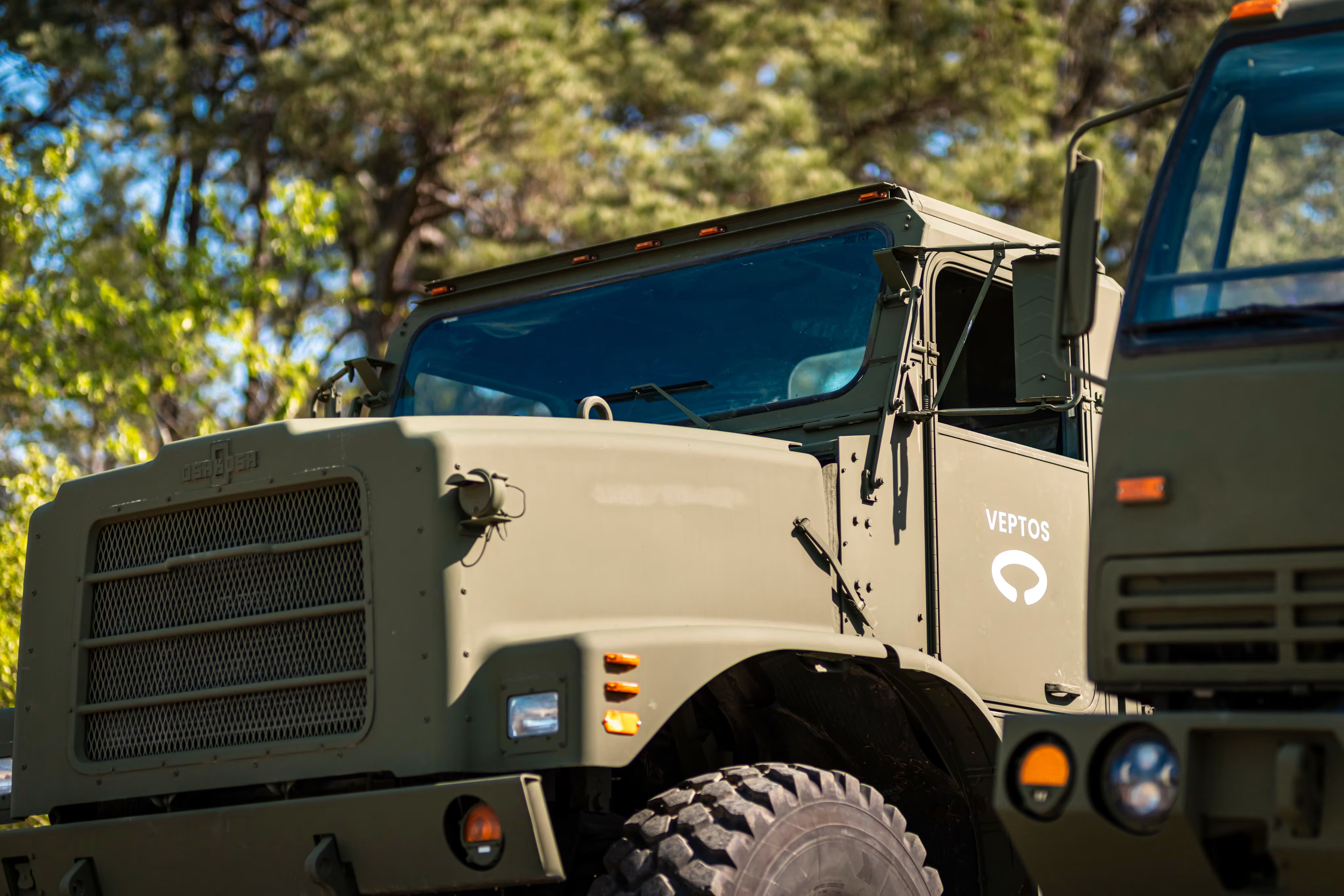
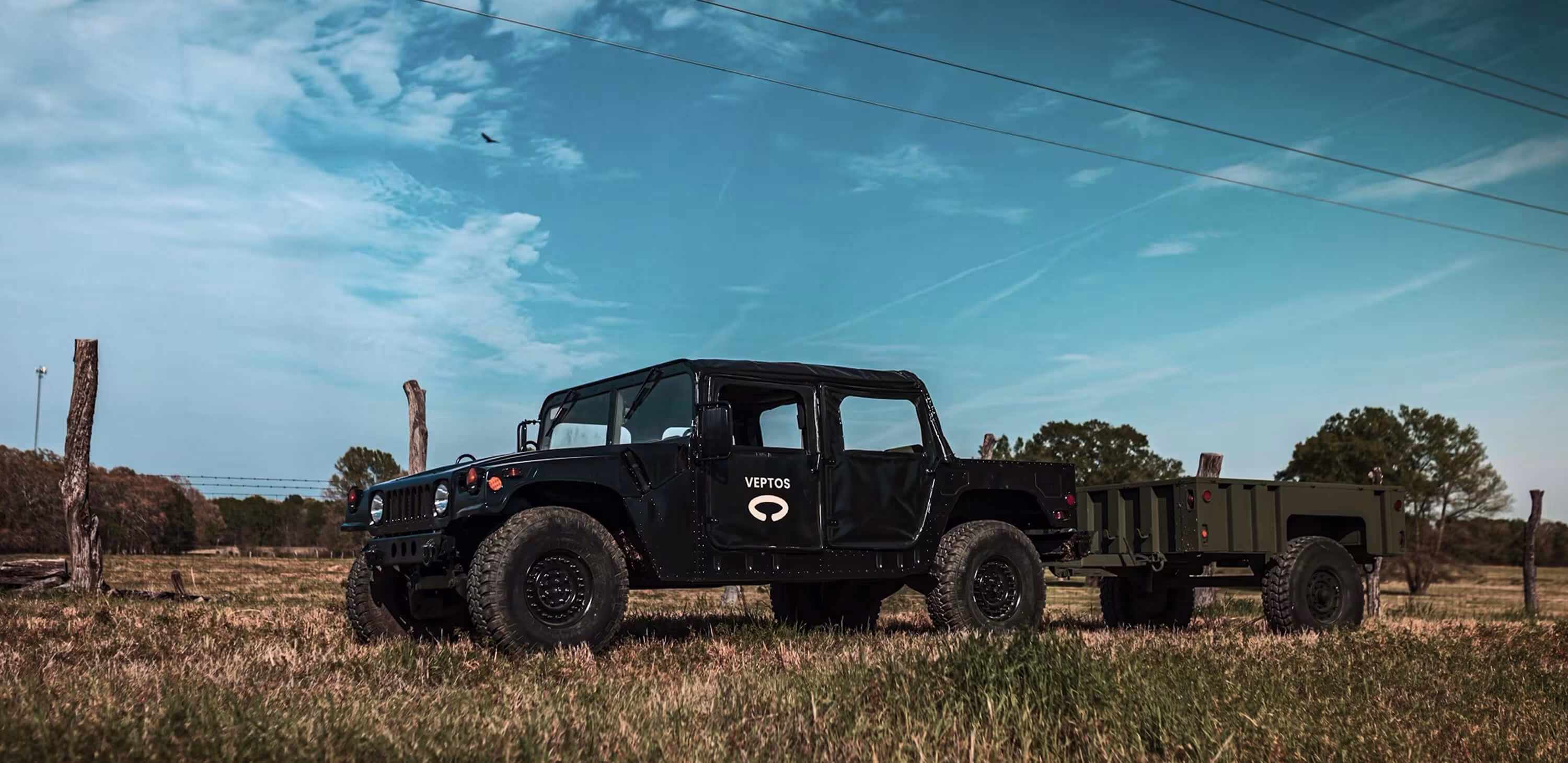
- Wheeled Vehicles: Light utility vehicles including HMMWV class, medium tactical vehicles including FMTV class, heavy logistics platforms including HEMTT class, and commercial-profile executive and security vehicles.
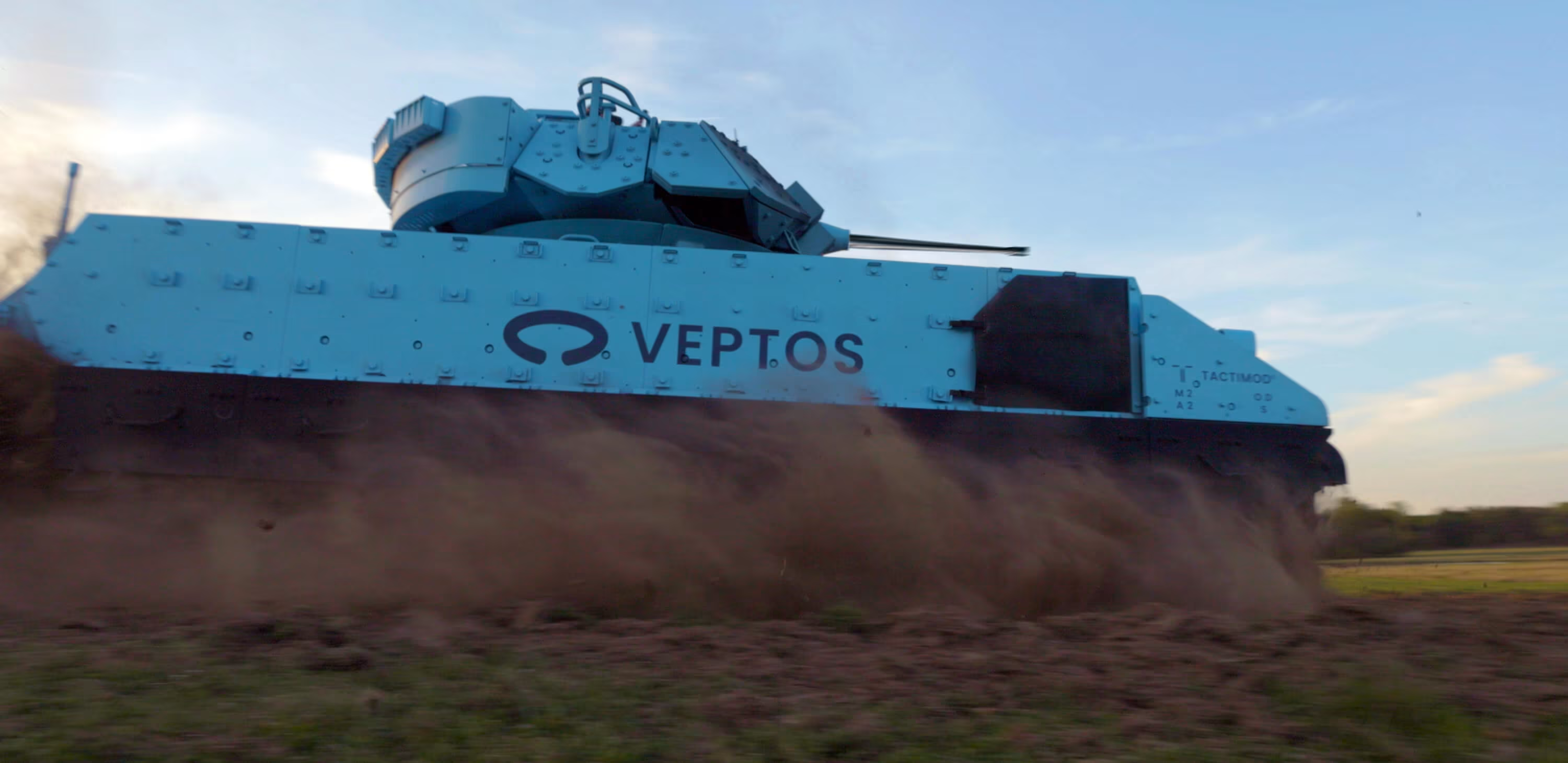
- Tracked Vehicles: M113 family carriers, infantry fighting vehicles, and armored personnel carriers, requiring dedicated track maintenance stations, hull inspection capabilities, and suspension rebuild cells.
- Aviation and Winged Support Platforms: Aviation ground support vehicles including fuel trucks, ground power units, and tow tractors, as well as specialized maintenance infrastructure for rotary-wing aircraft systems where applicable.
VI. Geographic Positioning Strategy
- European Theater: Eastern and Central European partners operating legacy Soviet and U.S. platform mixes, facing immediate readiness requirements and strong political motivation for security cooperation.
- Indo-Pacific Theater: Partners operating significant wheeled and tracked vehicle inventories with growing security cooperation relationships and strategic importance to regional stability.
- Middle East and Gulf: Partners with large vehicle fleets, significant defense budgets, and strong demand for technical capability transfer.
- Africa and the Sahel: Partners with growing security requirements, nascent defense industrial bases, and significant opportunity for sustainable capability development.
VII. The Refurbish, Ready, Sustain Cycle
- Refurbish: Initial intake of partner nation vehicle inventory. Full recapitalization to Fleet Tactimod® standards. Return to mission-ready condition with documented baseline.
- Mission Ready: Vehicle delivery to operational units. Maintainability documentation transfer. Initial maintainer training. Establishment of scheduled maintenance cadence.
- Continuous Sustainment: Scheduled preventive maintenance at defined intervals. Condition monitoring and early intervention. Component replacement before failure. Periodic Fleet Tactimod® upgrade cycles as requirements evolve.
This cycle is not a one-time event. It is a permanent operational model that keeps partner nation fleets in sustained readiness rather than allowing the degradation and crisis cycle to repeat.
Veptos has built the template at New Boston, Texas. The Center of Excellence model is how that template reaches the allies who need it most.
VIII. Conclusion
The Global Center of Excellence model represents the maturation of security assistance from an equipment delivery program into a capability development enterprise. Vehicles delivered without sustainment infrastructure have a finite readiness life. Vehicles delivered with a permanent industrial ecosystem behind them remain ready indefinitely, and the partner nations that operate them become structurally more capable over time. That is what enduring security partnership looks like in practice.
For inquiries, visit Veptos.com | sales@veptos.com
© 2026 Veptos.com | Strategic Defense Manufacturing
Working on a story or looking to pitch an interview instead? Contact our press team.