UNTIL DEATH, ALL DEFEAT IS PSYCHOLOGICAL
03 31 2026. 14: 06: 51: 415
Industrial Tempo as a Strategic Military Advantage
Published by Veptos.com
May 2026
ABSTRACT
In modern conflict, the interval between a capability requirement and the fielding of a system that meets that requirement is not an administrative metric. It is a strategic variable that shapes operational outcomes. Industrial partners who can compress this interval provide something that no amount of technical sophistication can compensate for if it arrives too late.
Speed of delivery is itself a form of capability. An advanced
system that arrives after the operational window has closed is
not a military asset. It is a procurement record.
I. Time as a Strategic Resource
Military planning has always required lead time. Orders of battle are projected, equipment requirements are derived, procurement actions are initiated, and systems eventually arrive. In conventional conflict environments with extended timescales, this sequence, though imperfect, is manageable.
Modern conflict does not consistently offer extended timescales. The tempo of current and near-term threat environments compresses decision cycles, accelerates equipment attrition, and demands responsive industrial support that traditional procurement models were not designed to provide. An ally that identifies a ground mobility gap today cannot wait three years for a solution to arrive.
II. The Industrial Basis of Rapid Fielding
Speed to field is not a function of urgency or intent. It is a function of industrial readiness. Organizations that field systems quickly do so because their industrial processes are designed for throughput, not because they work harder or faster in response to pressure. The conditions that enable rapid fielding are established before any specific requirement emerges:
Rapid fielding is not achieved by working harder when the
equirement arrives. It is achieved by building the system
before the requirement arrives.
III. Veptos: Designed for Operational Tempo
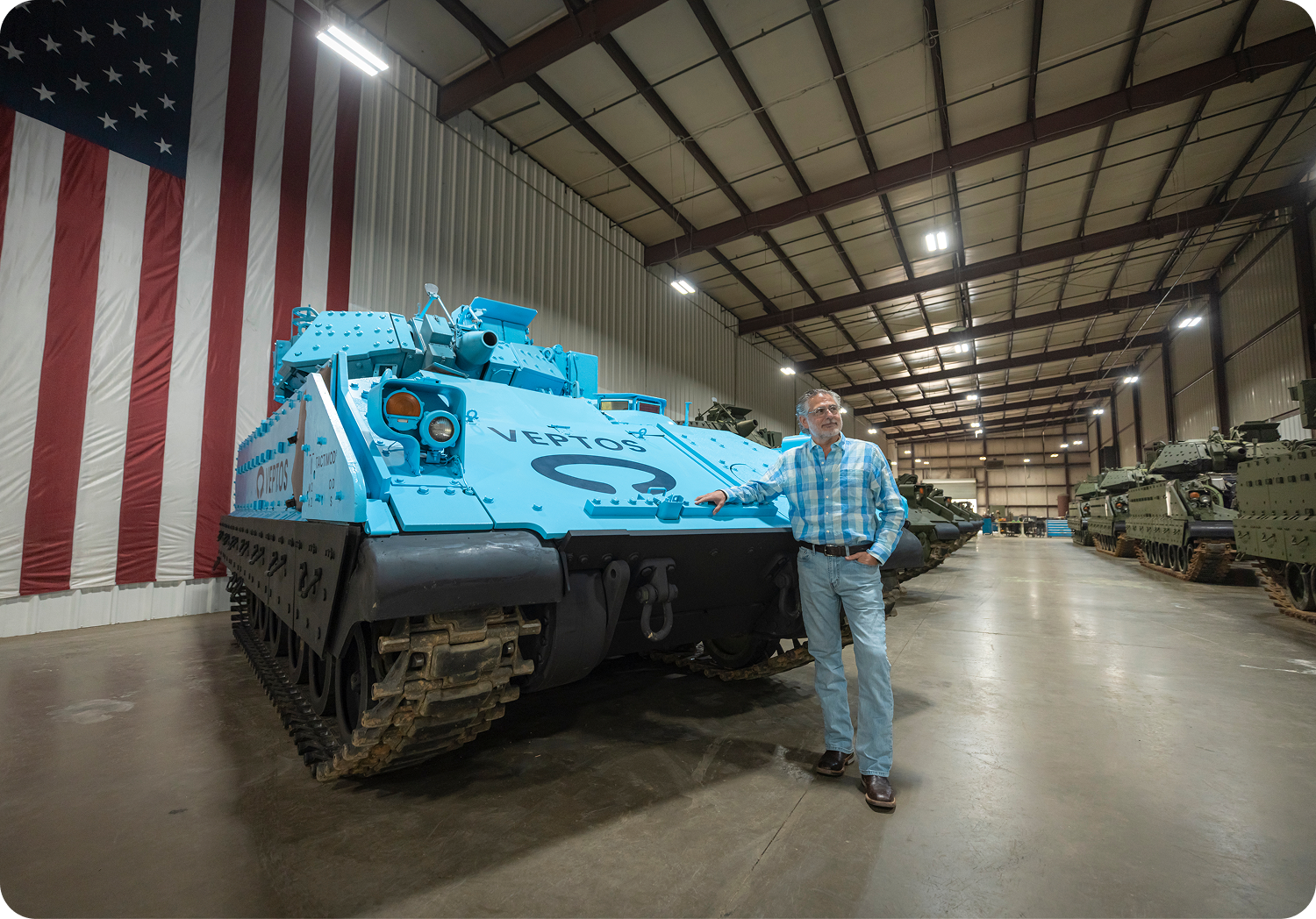
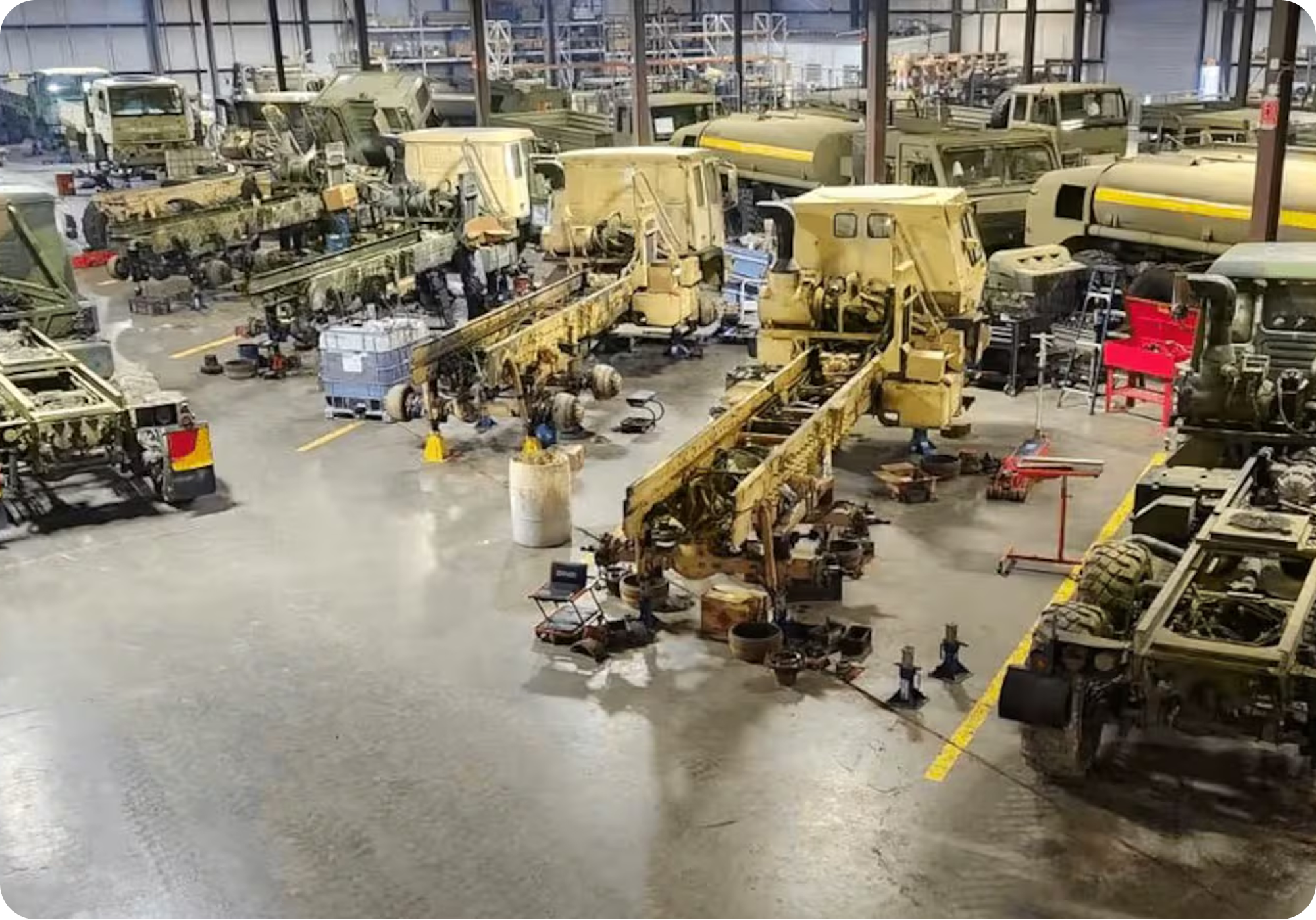
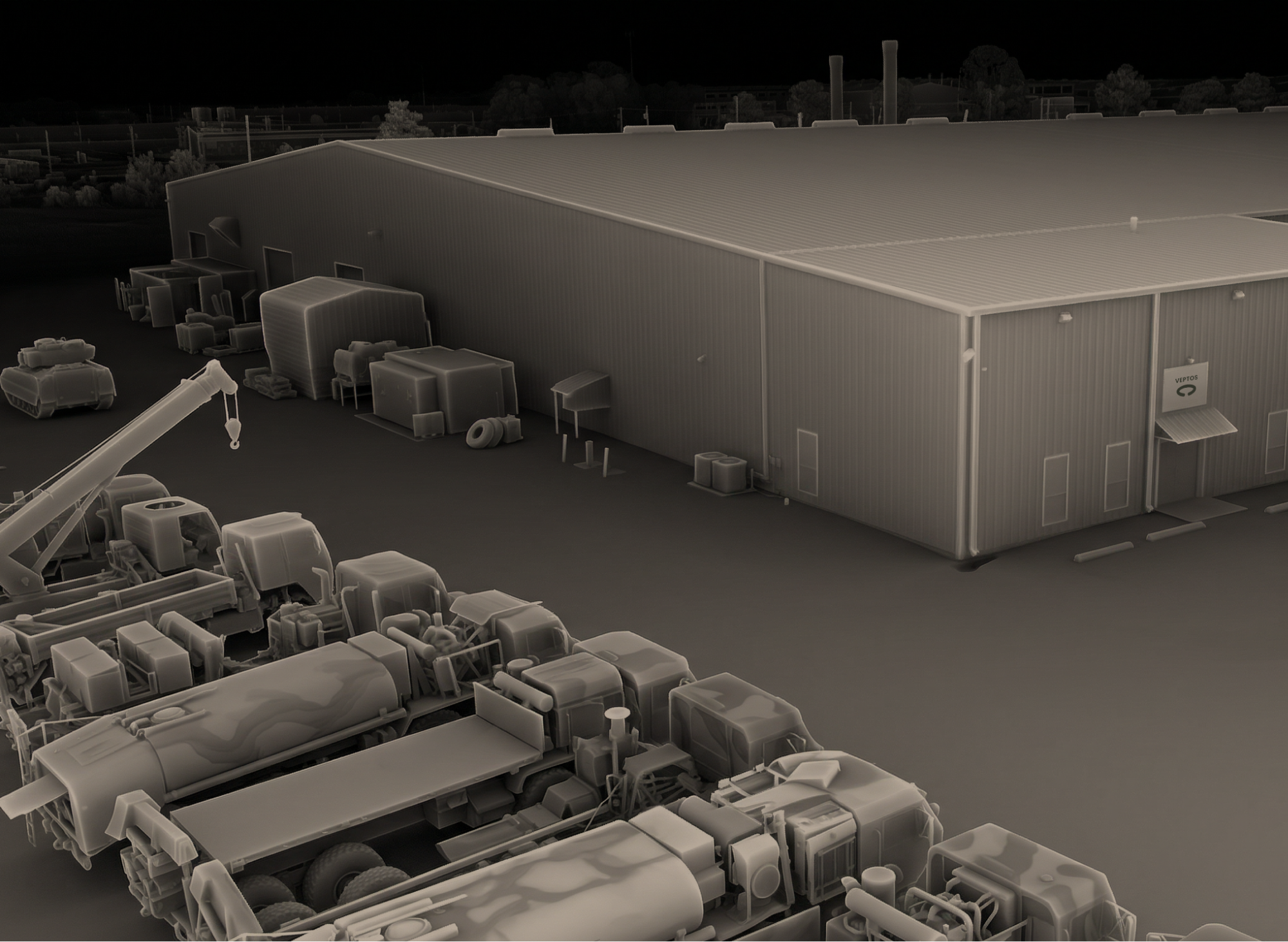
Veptos was built around the understanding that defense customers operate under a need to meet time constraints rarely faced by similar industry suppliers, which is what differentiates Veptos from other companies. The New Boston facility is designed as a production system, not a repair shop. Vehicles enter a defined process. Output rates are predictable. Delivery commitments are based on production data, not optimistic estimates.
Hybrid propulsion options available through Veptos further compress operational deployment timelines. Vehicles with onboard power generation and reduced acoustic signatures can be employed immediately in a wider range of mission profiles without waiting for supporting infrastructure to be established.
IV. The Cost of Delay
The cost of slow fielding is typically calculated in budget terms. The actual cost is broader. Capability gaps during operational periods represent risk to personnel, mission success, and strategic credibility. Allied partners who cannot field capable systems when threats materialize face operational consequences that are not recoverable through later delivery.
In modern conflict environments, the ability to field quickly is
itself a form of combat power. The industrial partner who
delivers on time delivers something no late delivery can
replace.
V. Conclusion
Speed is not a secondary consideration in military vehicle procurement. It is a primary determinant of operational value. Industrial partners who have built their processes around rapid, reliable fielding offer a fundamentally different capability than those who treat urgency as an exception rather than a design requirement. Veptos was built for operational tempo. That commitment is not aspirational. It is structural.
FOR IMMEDIATE RELEASE OR LOOKING TO PITCH AN INTERVIEW INSTEAD?
CONTACT OUR PRESS TEAM.
.png)
.png)
.png)
.png)
.png)



.png)