UNTIL DEATH, ALL DEFEAT IS PSYCHOLOGICAL
03 31 2026. 14: 06: 51: 415
Why Recapitalization Outperforms Waitingfor the Procurement Cycle
Published by Veptos.com
May 2026
ABSTRACT
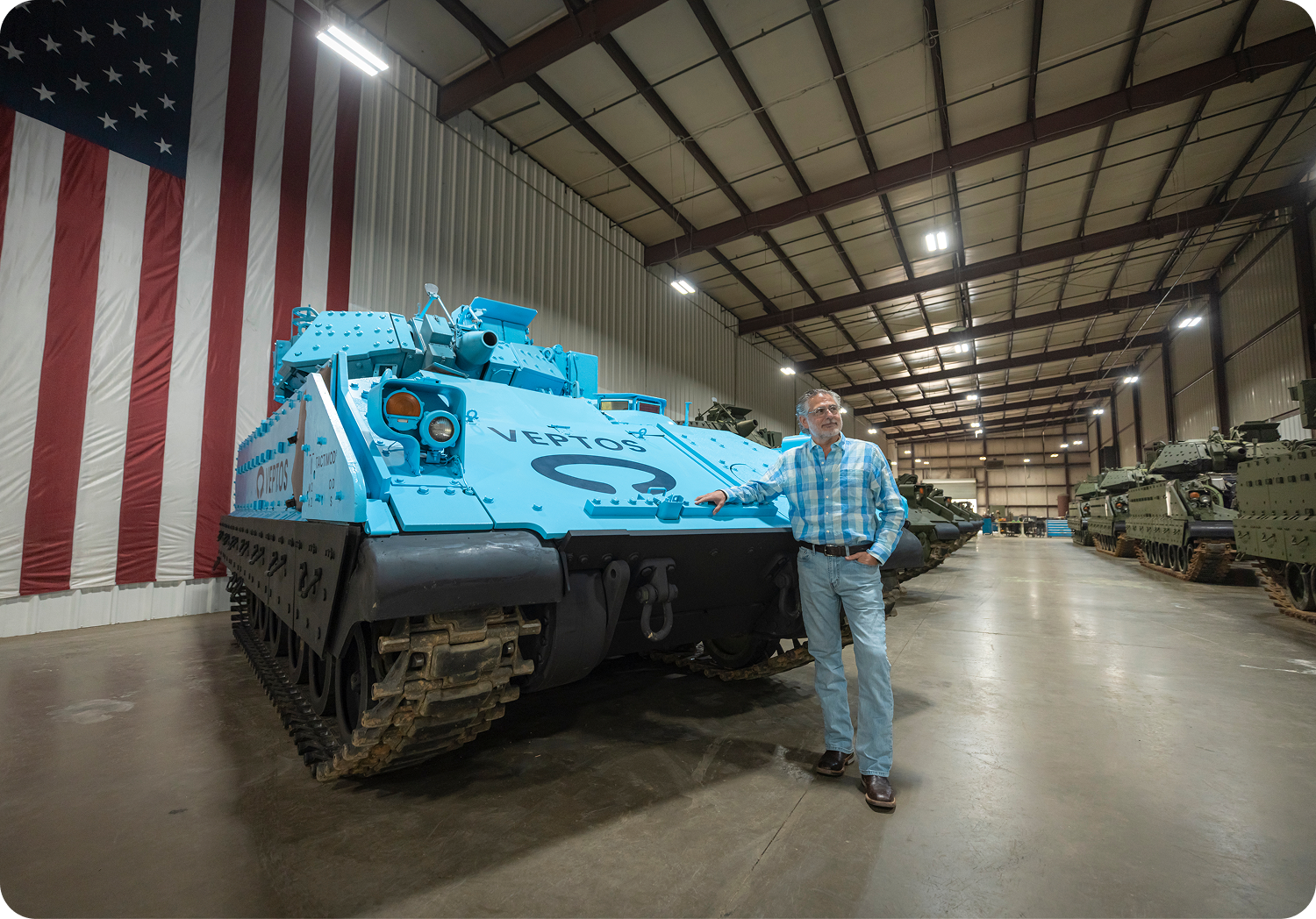
The procurement cycle for new military vehicle platforms regularly spans a decade or more. For allies and defense partners who need capable ground systems today, that timeline is not a planning horizon, it is a capability gap. Legacy vehicles in storage, pre-positioned, or in reduced-readiness status represent a different path: structural integrity already proven, logistical ecosystems already established, and modernization timelines measured in months rather than years.
A capability gap that exists today is not addressed by a
contract signed today. It is addressed by a vehicle delivered
today. Only recapitalization can meet that standard.
I. The Procurement Timeline Problem
New military vehicle programs are characterized by long development cycles, cost growth, and schedule slippage. Requirements definition, engineering development, testing, low-rate initial production, and full-rate production authorization can easily consume a decade before meaningful quantities reach the field. For allied nations, Foreign Military Sales and direct commercial procurement add layers of process that extend timelines further.
II. What Legacy Platforms Actually Offer
The platform is not the limitation. The configuration is.
Modernization addresses the configuration while preserving the
platform's proven structural foundation.
III. What Modernization Actually Delivers
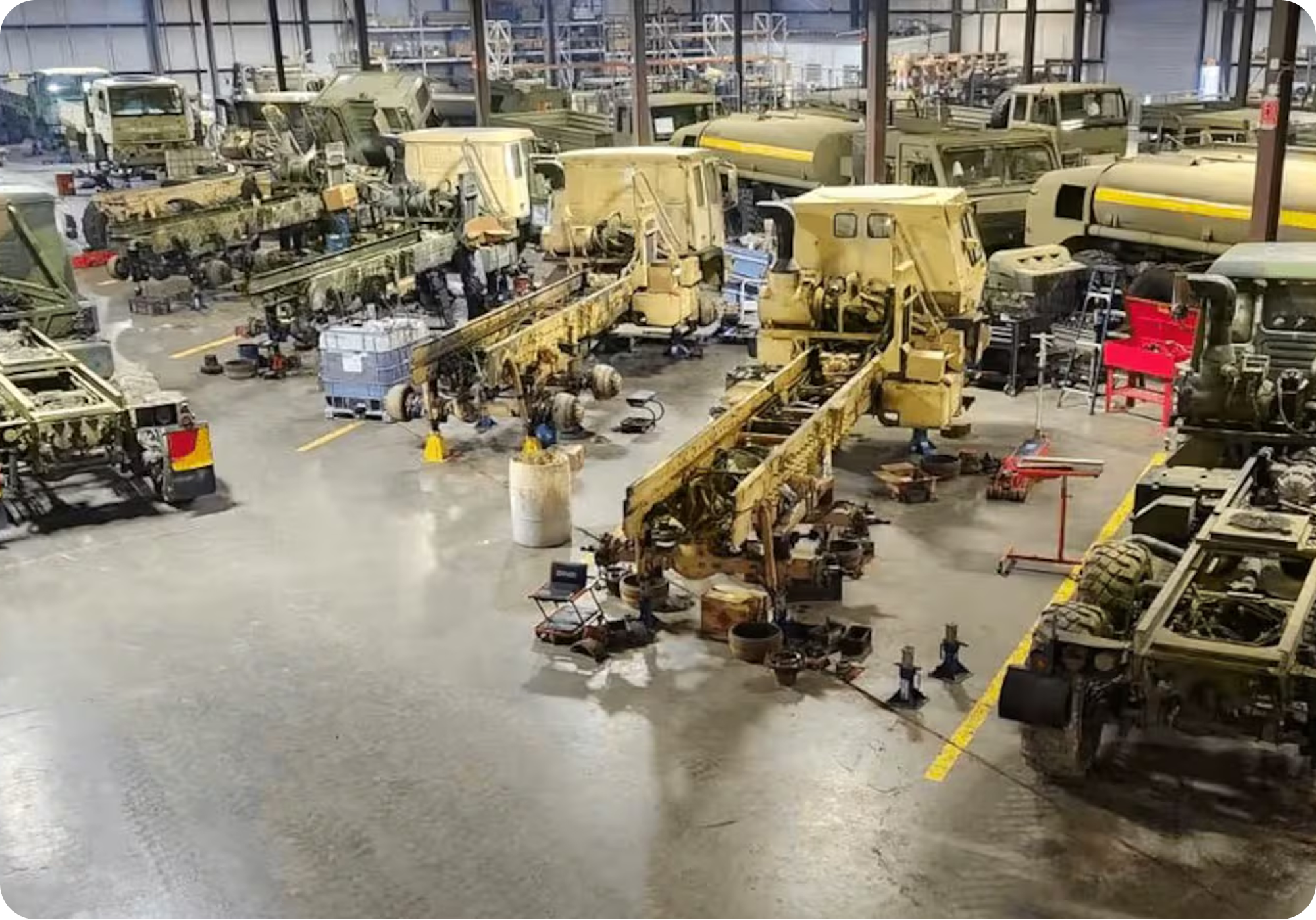
Veptos-driven modernization is not a repair program that returns vehicles to their original condition. It is a transformation process that upgrades platforms to meet current mission requirements while preserving the structural and logistical foundation they already represent.
Modernization packages can include powertrain upgrades that improve fuel efficiency and reliability, enhanced protection systems appropriate to current threat environments, modern communications and electronic architectures, improved climate control and habitability for extended operations, and hybrid propulsion options that provide silent operation, immediate torque, and onboard power generation.
IV. The Cost Equation
Cost comparisons between new-build and recapitalization consistently favor recapitalization when full lifecycle costs are considered. New platforms carry per-unit acquisition costs that are multiples of recapitalization costs, plus logistics establishment costs, training system development costs, and the cost of capability gaps during the years between contract award and first delivery.
Recapitalized platforms enter service quickly, operate within established maintenance frameworks, and can be upgraded incrementally as requirements evolve.
Nations that wait for new-build platforms to close capability
gaps will find that the gap persists long after the contract is
signed. Recapitalization offers a different answer, and it is
available now.
V. Conclusion
The strategic case for legacy vehicle modernization is not an argument against new platforms. It is an argument for meeting current requirements with the tools that are available on the timelines that operational necessity demands. Proven platforms, properly modernized, deliver mission-ready capability in months. For allies who need capable ground systems now, that is not a compromise. It is the right answer.
FOR IMMEDIATE RELEASE OR LOOKING TO PITCH AN INTERVIEW INSTEAD?
CONTACT OUR PRESS TEAM.
.png)
.png)
.png)
.png)
.png)



.png)